Advertisement
I want to say this, before anything else: I don't have kids. I've never had to sit down across from a child and find the words for something this hard. If you're looking for the perfect thing to say, I'm afraid I may not have the right answers for you — but I'd rather be honest about that than pretend otherwise.
What I do have is this: I was a kid who lost pets, more than once, in a way nobody quite prepared me for. And thinking back on it, thirty-some years later, has taught me a few things about what helps and what doesn't — not as an expert, just as someone who once sat on the other side of that conversation, small and unsure, trying to make sense of it.
The kind of loss nobody warns you about
When people talk about telling a child their pet has died, they usually mean exactly that — the pet has died, and now someone has to explain it. That wasn't my experience. My family moved a few times when I was young, and more than once, that meant leaving dogs behind. Not death. Something stranger and, in its own way, harder to name: separation. One day they were part of the family, and then they weren't, handed off to someone else so we could go start a new life somewhere.
I don't know what happened to them after that. I don't know if they were loved the way we loved them, if they were comfortable, if they missed us the way I missed them. Those questions still show up sometimes, usually late at night, when my mind is quiet enough to wander somewhere I don't always want it to go. It's a strange kind of grief — not the grief of knowing something ended, but the grief of never knowing how the story went. I don't think anyone talks about that version enough.
I share this because if your family is going through something similar — a move, a change in circumstances, a pet who can't come with you rather than one who has died — I want you to know that grief is real too, even though it doesn't look like the grief people expect. It deserves the same care.
What the adults around me got right, and where I think they missed something
The adults in my life — my parents, aunts, uncles — handled all of this in a fairly matter-of-fact way. Looking back, I don't think they were unfeeling. I think they were sad too, but busy — building a business, moving towns, managing the hundred adult things that come with a big life change — and I don't think they had much room left to process their own feelings, let alone ask a kid how he was doing with his.
Nobody sat me down and asked how I felt about leaving my dogs behind. I was just expected to move forward, the way the adults were moving forward. So I did, quietly, on my own, without really knowing what to do with what I was feeling. I don't say this to blame anyone — I think most parents in that position are doing their best with what they have left over at the end of a hard day. But if I could go back and change one thing, it would just be that: someone asking.
Advertisement
What I've come to believe, for what it's worth
I don't have a formula, but here's roughly where I've landed, for whatever it's worth coming from someone without kids of his own:
I lean toward telling children plainly, but kindly — with as much honesty as their age can actually hold. Not clinical, not vague, just true. Something like: this happened, and it's sad, very sad, and it's okay to feel that for a while. I think there's something to be said for gently introducing the idea that death, or even a big change like this, is a normal part of life — not to rush a child past their sadness, but to help them understand they're not alone in facing it, that every living thing's story eventually ends or changes.
And alongside the honesty, I think comfort matters just as much. A reason to feel okay again, eventually. I'd want a child to know that honouring how much they loved their pet doesn't mean staying stuck in the sadness forever — that life continues, that they'll continue, that laughing and being happy again isn't a betrayal of that love.
On the question of softer language — telling a young child their pet "went to live on a farm," that kind of thing — I honestly don't have a strong opinion either way. I think it depends entirely on the child: how old they are, how close they were with the pet, how much they can actually process. If a gentler story spares a very young child from a pain they're not ready to hold yet, I don't think that's dishonest. I think it might just be kindness, sized to fit.

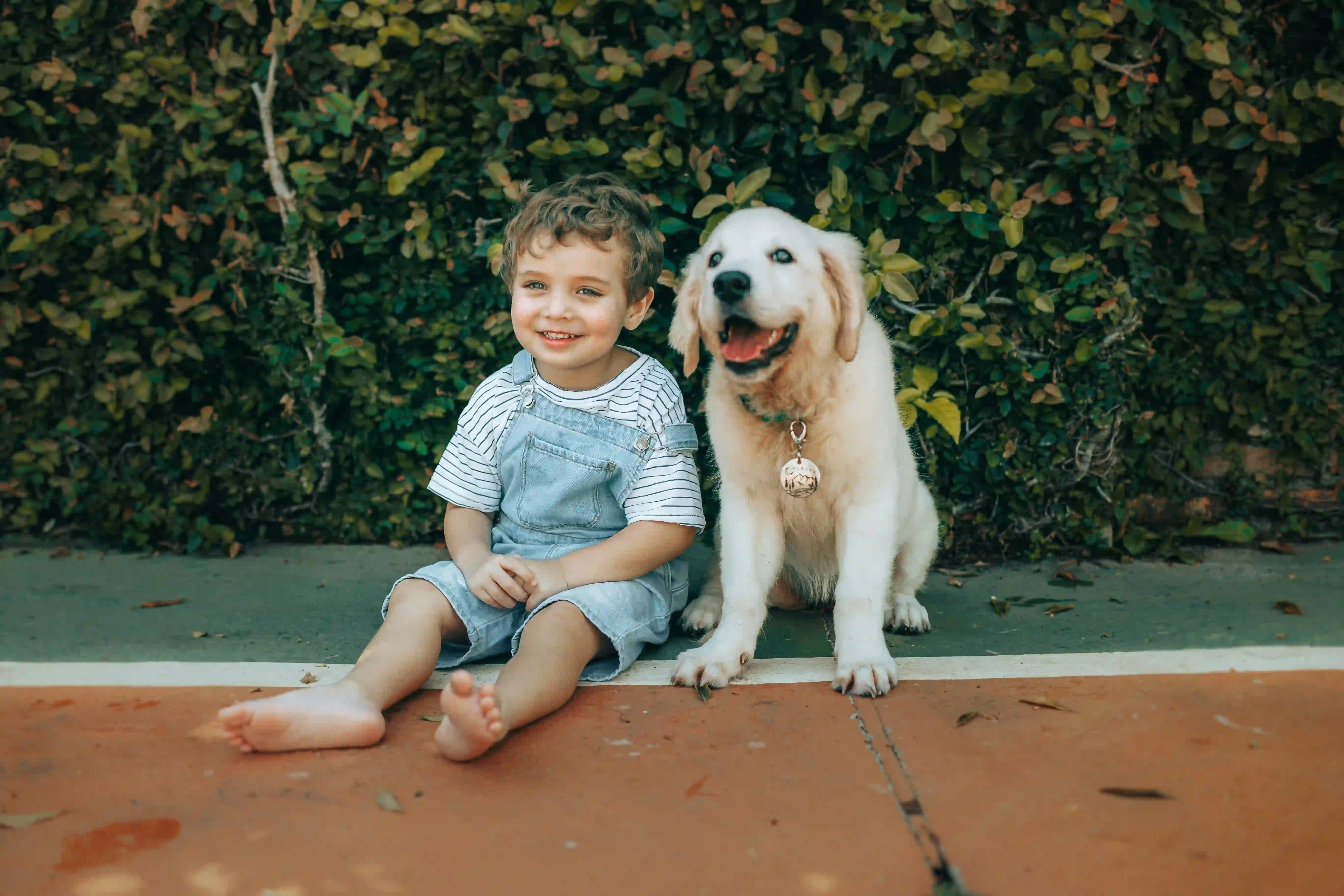
Photo by George Dulishkovych on Unsplash
Advertisement
What losing them taught me anyway
I want to end on something true, even if it took me a long time to get here. Not knowing what happened to my dogs still aches. Some nights, when that question comes back around, I find myself praying — or something like it, talking to whatever's out there for a bit of hope and comfort. I wasn't raised to be especially religious, and I'm still not, but there's something about the quiet of those moments that makes reaching for some higher power feel natural.
And somewhere in all of that loss, I think I became a better person for it. I cherish animals more now than I ever did as a kid. I respect life — all life, not just the lives I've loved — a lot more than I used to. I don't know if I was always this empathetic and just didn't notice, or if losing pets is what taught me to feel this deeply for another creature. Either way, I wouldn't trade the empathy for the absence of the pain. They came together.
If your child is going through this — whether their pet has died, or whether, like me, they're losing a pet in some other way — I hope they come out the other side of it a little more tender toward the world, the way I eventually did. It might not feel like it right away. But I think it's in there, waiting.
If you or your family are looking for a way to hold onto the memory of a pet together, PetTribute offers a free space to create a lasting tribute — something a child can help build, and return to, whenever they want to remember. Create a tribute →
Create a free permanent tribute for your pet —
somewhere their name lives.
If grief is feeling heavier than you can carry alone right now, our finding support page has gentle resources that might help.