Advertisement
The goodbye I never got
My family moved a few times when I was a kid, and more than once that meant leaving dogs behind — not because they died, but because we couldn't take them with us. The move I remember most was to another country entirely. The day we left, there was a big van packed with luggage and boxes of our old life, and outside, all this commotion — grandparents, aunts, uncles, friends, all gathered around to say goodbye. My two dogs were right there in the middle of it, tails wagging, eyes on us the whole time, the way they always were.
I remember petting them, hugging them one last time. And I remember watching them get smaller from looking through the back window of the van, this quiet ache underneath everything else that was happening. But there was so much else happening — a huge move, so many goodbyes at once, the strangeness of starting over somewhere entirely new. Missing people. And for me, missing them meant missing my dogs too, right alongside the aunts and uncles and friends we were also leaving behind.
I've written before about how strange that grief is, not knowing what happened to them afterward. What I haven't said yet is this: nobody ever gave us a proper goodbye, not really. In the middle of all that commotion, there was no quiet moment set aside just for them. No last day that was theirs. No photo taken on purpose, knowing it might be the last one. No journal or scrapbook I could still open now and then.
I think I understand why, looking back. Everyone was buried in the details of the move itself — wrapping up a business, finalizing documents, sorting out who got what with the property, all the adult things that come with uprooting a whole family and starting over somewhere new. On top of all that, they were still taking care of us kids. I don't think there was much room left over to think about a proper goodbye for a couple of dogs, even loved ones. But I wish there had been. I think it would have given the ending a shape, instead of just leaving it as an absence.
That's really where this article comes from. Not expertise. Just someone who didn't get a goodbye, thinking hard about what one might have looked like.
Rituals that give a goodbye a shape
I've read a bit on this since writing the last piece, and one idea stuck with me: that a formal goodbye — a funeral, a ceremony the adults arranged — doesn't always feel like closure to a child. Sometimes what actually helps is something smaller and more personal, done with them rather than for them, maybe even a little while after the initial shock has passed.
A few ideas kept coming up, and thinking them through, here's where I've landed:
Writing or drawing. This is probably the one I'd point to first. A letter to the pet, or a drawing of a favorite memory. I still write things down when something is sitting heavy on me — I don't think that instinct is only for adults. If a child wants to draw, I'd gently guide them toward something happy rather than something sad — them hugging their pet, sunny skies, their home in the background. A memory to hold onto, not a picture of the loss itself.
A memory box or scrapbook. Somewhere to put the collar, a favorite toy, a photo, maybe that letter or drawing once it's made. Not to seal the loss away, but to give it a place that isn't just "gone."
Advertisement

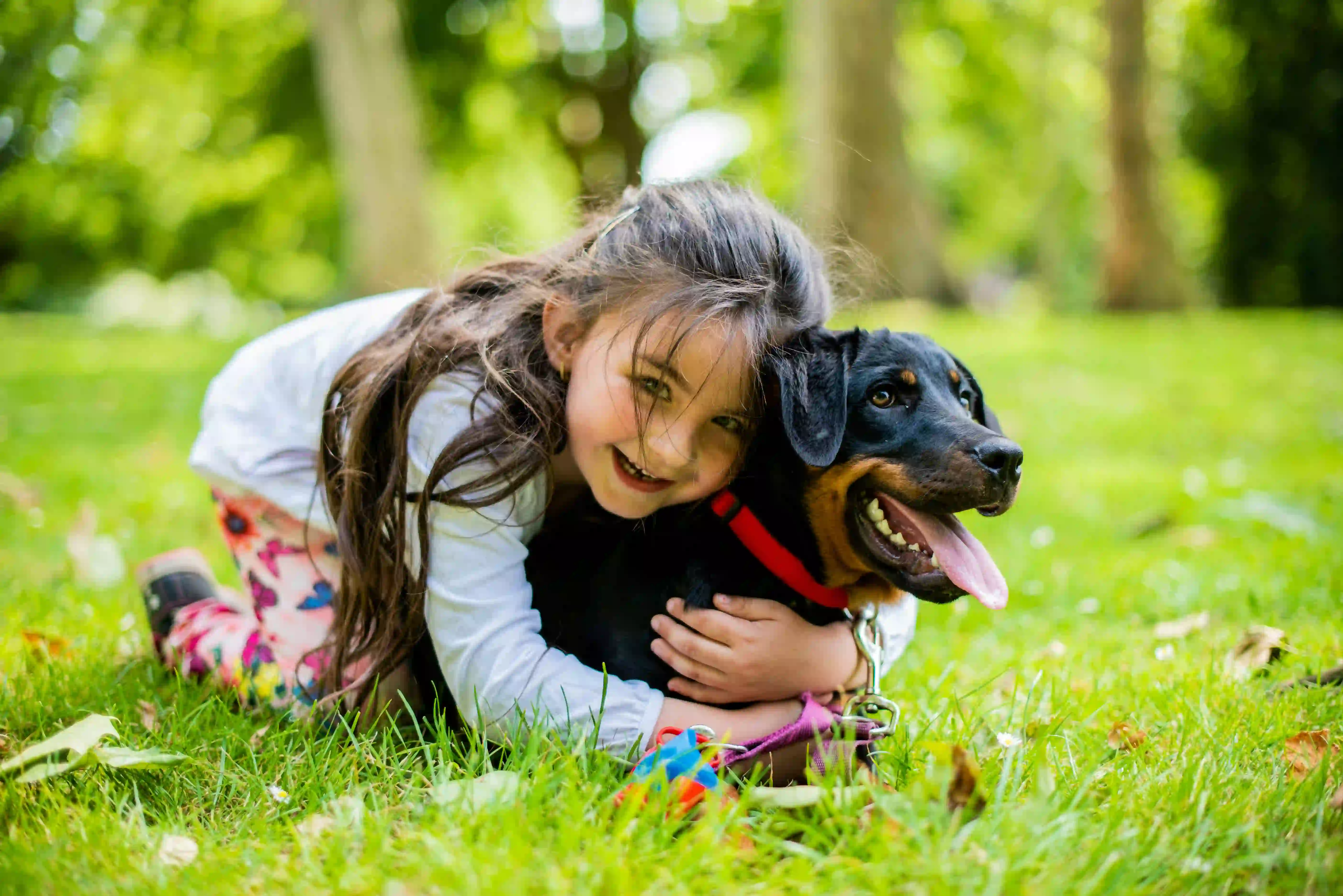
Photo by Polina Portnaya on Unsplash
Releasing a balloon, alongside a small candlelit moment. I like these paired together — there's something about the two together, light and lift, that feels like it could actually hold a child's attention through something hard. And it's an easy way to involve them directly: ask which color balloon their pet would have loved. Small questions like that turn a ritual into something a child helped make, not something that happened around them.
Planting a tree. Of everything on this list, this is the one that feels most quietly profound to me. There's something in tending a small living thing — watching it grow, taking care of it — that seems to sit close to what grief is actually asking of us: to keep caring, even after the caring has nowhere obvious left to go. I'll be honest, though — it's also the most involved. It needs space, time, the right season, maybe a yard a family doesn't have. If an apartment or a short-term situation makes a tree impractical, a small potted plant can hold the same idea at a smaller scale.
I don't think a family needs to do all of these. But I'd gently encourage trying at least a few, maybe two or three, rather than just one. Grief doesn't move in a straight line, and different rituals seem to reach different parts of it.
Should a child be there for the hard parts?
This is the part I've gone back and forth on the most.
In the last article, I wrote about how to actually tell a child the news — the words to use, whether to soften them. I said then that I didn't have a strong pull either way on that question; it felt like it depended entirely on the child. This is a different question. This one is about whether a child should be present for the harder moments themselves — sitting with a pet at the end, or being part of a goodbye ritual, rather than just hearing about it afterward. And on this one, the more I've sat with it, the more I think I do have a leaning, even if I hold it loosely.
I lean toward including a child in the harder moments, when they're old enough to want to be there to say goodbye to their pet. Not because protecting them is wrong — I understand why a parent's instinct is to shield a child from pain. But I keep coming back to the idea that grief, handled honestly and gently, is also how a child learns they can survive something hard. That the sadness has an edge to it, and life continues past that edge. That feels like something worth learning early, with people around who love you, rather than alone later.
Advertisement
What I'd tell a parent, if I were in the room
You know your child better than any article, including this one, ever could. If a ritual feels wrong for them, skip it. If being present feels like too much, that instinct is worth listening to.
But if you're not sure where to start: pick one small thing to do together. A drawing. A letter. A balloon, released while you say something out loud, even something simple. Ask them a small question about it — what color, what to write, where to put it. Let them shape it.
I didn't get that. I think, more than anything else I've written here, that's the piece I'd want a parent reading this to walk away with.
It's been decades since I watched those two dogs get smaller from looking through the back window of the van, and I'd like to say it's fully settled somewhere in me. It isn't, not completely. It sits quietly now, near the bottom of things rather than at the surface — but it's still there, some nights more than others. I don't say that to be sad about it. I say it because I think that's just what love that has nowhere left to go actually looks like, years on. Quiet, not gone.
If your family is also working through the news itself, not just what comes after, I wrote about that here: How to Tell Children a Pet Has Died.
If grief is feeling heavier than you can carry alone right now, our finding support page has gentle resources that might help — including guidance specifically for when a child is grieving.
If you're looking for a way to hold onto the memory of a pet together, PetTribute offers a free space to create a lasting tribute — something a child can help build, and return to, whenever they want to remember. Create a tribute →
Create a free permanent tribute for your pet —
somewhere their name lives.
If grief is feeling heavier than you can carry alone right now, our finding support page has gentle resources that might help.